The rainfall in 2025 has given Doñana some breathing space, but long-term structural challenges remain. The Doñana Biodiversity Report, presented by the CSIC in February this year, shows that the exceptional flooding of the wetlands last year supported the protection of biodiversity in the region.
In addition, the rainfall of recent weeks has stabilised the aquifer, which is crucial both for the balance of ecosystems and for the region’s economy.
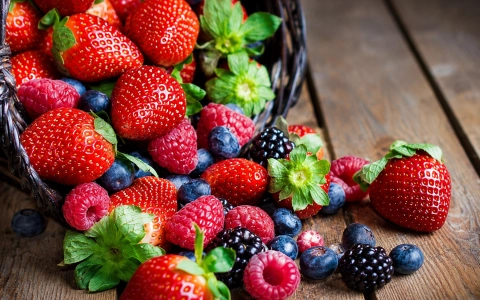
Despite this rainfall, the current scale and type of use of underground water resources in some areas of the aquifer threaten its good condition, as well as that of the dependent terrestrial ecosystems, including the entire network of strawberry-growing areas in the region and within the aquifer’s area of influence.
The development of Doñana makes it clear that a transition towards more sustainable and resilient agricultural models is necessary in view of pressure on water resources and the effects of climate change.
Although recent rainfall has temporarily improved the condition of the aquifer and the related ecosystems, uncertainty about future water availability forces the sector to anticipate problems and seek solutions that ensure a continuous supply. In this context, the geographical diversification of production represents a strategic tool for reducing risks, safeguarding supply stability and maintaining the quality standards required by European markets.
At this point, Alifresca faces the challenge of finding viable and reliable production alternatives to Spanish production, which currently plays a leading role in Europe.
Albania, Italy and, above all, Greece will be regions where strawberry production is expected to grow in the coming years. Alifresca aims to invest in these areas in order to ensure the supply of a high-quality product for our customers.