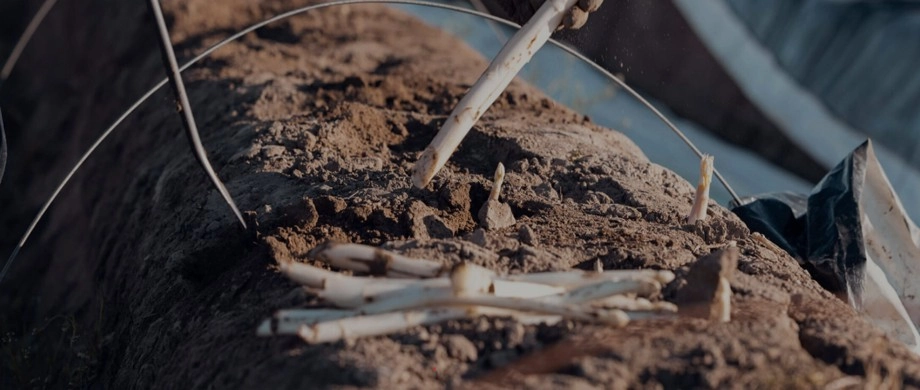
Among its most emblematic crops, white asparagus stands out as a high-quality product that has brought this region recognition well beyond its local borders. The characteristics of the soil and favourable climatic conditions make it possible to produce asparagus with a delicate flavour and first-class texture, highly appreciated on local and national markets.
Despite its strong agricultural character, the Padua area is also distinguished by a high level of economic development. The presence of industry, services and a dynamic entrepreneurial environment helps make this region one of the most prosperous in Veneto. This dual character — agricultural and industrial — is a significant feature: on one hand, the enhancement of rural traditions; on the other, a continuous drive towards innovation and economic growth.
However, this widespread development also brings certain challenges, including the increasing difficulty of finding qualified workers for the agricultural sector. Modern agriculture requires increasingly specialised skills and a high level of precision, especially for niche crops such as white asparagus. Harvesting, for example, is a sensitive process that cannot be fully automated and requires experienced workers.
The shortage of labour is therefore one of the greatest challenges facing agricultural businesses in the region. Many young people are increasingly moving towards other sectors that are perceived as more stable or less demanding, while agricultural work often remains seasonal and physically demanding. As a result, companies are increasingly forced to seek workers beyond the local area.

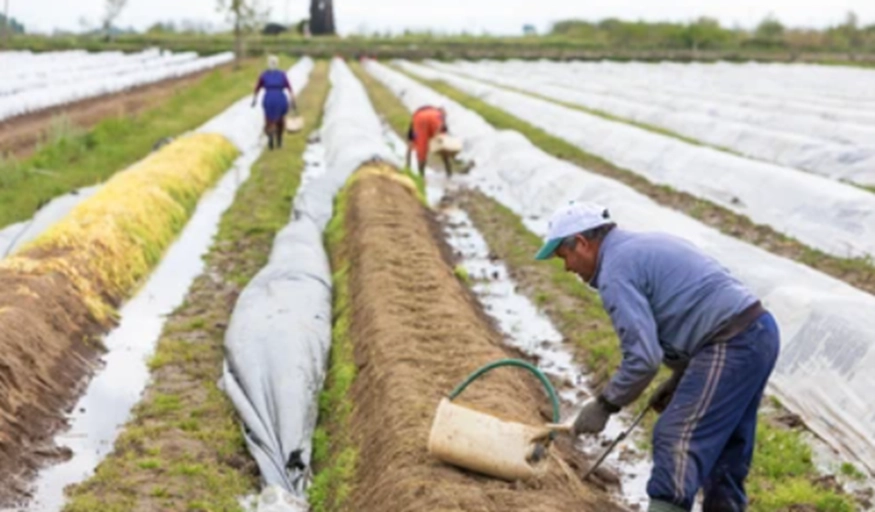
In this context, companies such as Condin play an important role. Condin is a leading supplier in the sector and is also part of the Swiss Coop supply chain for the packaging of the “Primagusto” asparagus product. With decades of experience, the company has chosen to address the labour shortage directly by carefully organising the recruitment of specialised teams from Romania.
These workers are guaranteed accommodation and numerous additional benefits, with the aim of making their seasonal stay dignified and sustainable from an ethical perspective as well. The accommodation provided for workers has also been inspected by Coop itself as part of the Coop Social Program. The inspections found high living standards: spacious rooms, appropriately equipped environments, careful attendance management and room layouts designed to protect privacy, with particular attention to the needs of female workers.
In summary, the Padua area confirms itself as an example of balance between agricultural tradition and economic development, while also highlighting the need to address new structural challenges. Investment in training, the enhancement of agricultural work and improving the attractiveness of the sector will be decisive steps in ensuring the continuity of premium production such as white asparagus.